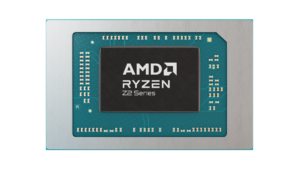
AMD、次世代ポータブルゲーミングPC向け「Ryzen Z2」シリーズ発表 – 最上位モデルは8コア/16スレッド
2025年1月7日
For years, Apple has dominated the single-core performance landscape, setting benchmarks that competitors struggled to match. While rivals have narrowed the gap in multi-core performance, Apple’s edge in efficiency has remained undisputed. However, the upcoming Snapdragon 8 Elite Gen 2 and Dimensity 9500 could redefine this dynamic.
Both chipsets are slated to be manufactured using TSMC’s state-of-the-art 3nm “N3P” process. This advanced node is expected to deliver significant improvements in performance and power efficiency.
A standout feature of the Dimensity 9500 is its support for ARM’s Scalable Matrix Extension (SME), which enhances the chip’s ability to efficiently handle complex computational tasks, including AI workloads.
According to industry sources, both processors could achieve Geekbench 6 single-core scores exceeding 4,000—a performance level that rivals or even surpasses Apple’s M4. Notably, the Snapdragon 8 Elite Gen 2’s Oryon cores are confirmed to operate at 5.00 GHz, while the Dimensity 9500 is expected to reach 4.00 GHz.
In a significant move, Qualcomm has fully transitioned the manufacturing of the Snapdragon 8 Elite Gen 2 to TSMC, phasing out its previous collaboration with Samsung. This strategic shift underscores Qualcomm’s commitment to maximizing performance and efficiency.
The mobile processor landscape appears poised for a seismic shift. If the Snapdragon 8 Elite Gen 2 and Dimensity 9500 deliver M4-level performance, the implications for smartphones and portable devices could be profound, ushering in new capabilities and user experiences.
While the reported specifications and performance figures are promising, they remain speculative at this stage. The true capabilities of these processors will only be validated through real-world testing post-launch. The industry eagerly awaits the next chapter in the mobile performance race.
Disclaimer: This article is based on information from Digital Chat Station and other industry sources. Actual product performance will need to be verified through hands-on testing after release.
只今、イメージセットを取得中です。

只今、イメージセットを取得中です。

只今、イメージセットを取得中です。